Riparian Ecosystem
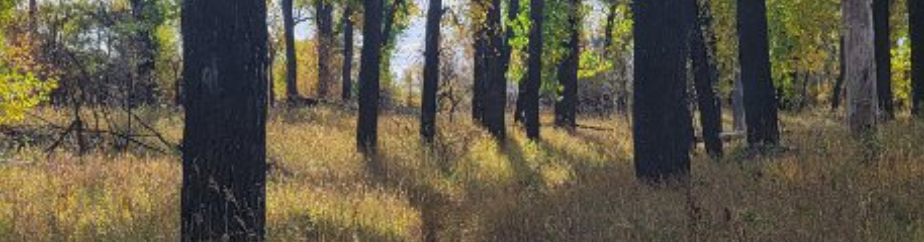
The Oldman River lazily meanders through the centre of Lethbridge, dividing the city between east and west. On either side of the river in the valley bottom, exists a vital riparian corridor. This distinct ecosystem provides an oasis and critical habitat for many species that reside in an otherwise dry and arid landscape.
Native Flora
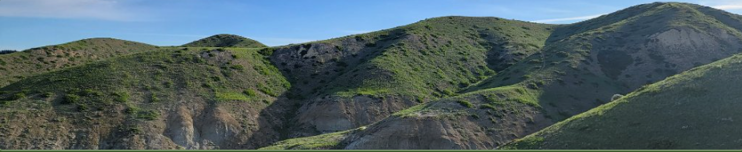
Massive cottonwoods dominate the river bottom, creating a dense canopy that defines the valley. Willows trace the riverbanks, filtering water and stabilizing soil against erosion. Manitoba maples are scattered throughout, while diverse shrub species offer food and habitat for wildlife. Together, these native plants provide essential ecosystem services and are uniquely adapted to the river's natural cycles of flooding and renewal.
Wildlife Habitat
The River Valley plays host to a diverse range of animal species, including over 170 bird species! Some species call the valley home, while others use it as a migration route or nesting ground. Some mammals you are likely to see include white-tailed deer, mule deer (can you spot the difference?), beavers and porcupines. There have even been rare sightings of moose, cougars and yellow-bellied marmots moving through the area.
Critically, the valley provides habitat for at-risk and endangered species including Northern Leopard Frogs and Lake Sturgeon. These species depend on healthy riparian zones for survival, making habitat protection essential for their recovery.
Wildlife Corridor
The River Valley acts as a vital travel corridor between the majestic Rocky Mountains to the west and the vast, open prairies to the east. This connection ensures populations do not become isolated and maintains genetic diversity, provides migration routes and access to food, water and shelter. Deer, coyotes, and countless bird species rely on this pathway, which stretches for hundreds of kilometers through an otherwise fragmented landscape.
Ecosystem Services
The River Valley acts as a second, natural water treatment plant, filtering our water by removing excess nutrients and breaking down pollutants. Not only does this improve Lethbridge's water, it also creates cleaner water for communities downstream. The valley also helps with flood mitigation and erosion control. Its dense forest canopy stores carbon, regulates seasonal temperatures, and improves our air quality. That's a lot of free services!
Why Preservation Matters
- Biodiversity Hotspot: The River Valley provides habitat for a wide range of species in a landscape dominated by agriculture.
- Endangered Species Refuge: Provides critical habitat for at-risk species, both plants and animals.
- Wildlife Connectivity: The River Valley provides an unimpeded travel corridor for animals, which helps maintain healthy populations and genetic diversity.
- Climate Resilience: With Climate Change becoming more impactful on cities throughout the world, ecosystems like our River Valley reduce the impact of extreme weather events.
- Urban Wellbeing: It has been well established that getting out into nature has massive mental health benefits. The River Valley also provides access to many recreational activities as well as a connection to the natural world, which is becoming increasingly rare.
- Invasive Species Threat: Invasive species such as the Russian Olive threaten our River Valley by outcompeting native species, which disrupts the delicate, natural balance. This will ultimately degrade all the benefits the River Valley provides.